

Key Takeaways
- Puppy potty crate training works best with a clear schedule, a correctly sized crate, and close supervision throughout the day.
- Most young puppies need potty breaks every 1 to 3 hours during the day, depending on age, and may need at least one trip outside at night when very young.
- Use positive reinforcement with treats and calm praise every time your puppy goes potty in the right spot to build good habits.
- Look for signs indicating that a puppy needs a break, such as whining, sniffing, or circling, so you can catch them before an accident indoors.
- Accidents are normal, punishment slows learning, and owners should seek help if stress or accidents remain high after weeks of consistent training.
Gentle Introduction to Puppy Potty and Crate Training
Bringing home a new puppy is exciting, but can feel overwhelming when you realize your pup doesn’t know where to pee or poop yet. Take a deep breath. You are not alone, and this guide will walk you through the process step by step.
Puppy potty training means teaching your dog to go outside in the same spot instead of on your floors. Crate training helps your puppy feel safe and comfortable in a crate that acts like a cozy resting space. When combined, these tools make puppy house training easier.
Puppies have small bladders, so accidents will happen, but consistent training and patience will help your pup learn good habits. Mistakes do not mean failure—they are part of growing up.
Many puppies show clear improvement within several weeks of consistent training, but full reliability can take several months. Crate training, when introduced gradually and positively, can help many puppies feel more comfortable during rest, travel, boarding, vet visits, or short periods of supervision. Let’s get started.
Getting Ready: Supplies and Setup
Planning ahead makes puppy potty crate training easier, especially for busy owners. A little preparation now saves cleanup later.
You will need:
- A properly sized crate (wire crates allow good airflow; plastic crates can be better for heavy chewers)
- Washable bedding like fleece that absorbs leaks
- A few safe chew toys and one favorite toy for comfort
- Puppy pads (optional, helpful for apartments or special situations)
- An enzymatic cleaner to remove odors
- Small, soft treats for rewards
- A 4 to 6 foot leash for potty trips
Choose a crate that lets your puppy stand up, turn around, and lie down comfortably without too much extra space. A crate that is too large may encourage your puppy to eliminate in one corner and sleep in another. Many crates come with dividers so they can grow with your puppy.
Place the crate in a quiet corner of a room where your family spends time. Avoid drafts, direct sunlight, or isolated spots. Puppies do best when they can see and hear their people while learning to feel safe.
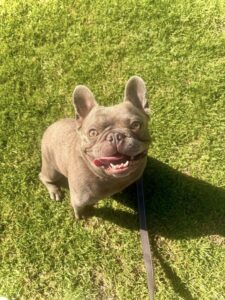
Daily Potty Training Schedule for Your New Puppy
A consistent routine helps puppies learn when and where to go potty. Take your puppy outside first thing in the morning, after meals, naps, and play. Puppies need breaks every 1 to 3 hours, depending on age, roughly matching their age in months.
Use a leash and take them to the same spot each time with a simple cue like “go potty.” If your puppy doesn’t go within 10 to 15 minutes, bring them inside and crate them for 10 to 15 minutes before trying again.
Crate Training Basics
Crate training helps puppies learn to hold their bladder by creating a small, clean resting space. Start with the crate door open, encouraging your puppy to explore with treats. Feed meals near or inside the crate to build positive associations.
Keep crate sessions short at first, gradually increasing time. Puppies should not be crated for long periods during the day. Always give potty breaks before and after crate time, and focus on modern, positive reinforcement dog training techniques to keep crate use humane and effective.
Preventing Accidents and Using Puppy Pads
Watch for signs your puppy needs to go out, like whining or sniffing. Interrupt accidents calmly and take them outside immediately. Use puppy pads sparingly and in one spot to avoid confusion. Gradually move pads closer to the door before removing them.
Clean accidents with an enzymatic cleaner to remove odors and prevent repeat accidents.
Nighttime Routine
Keep the crate near your bedroom at night. Take your puppy out for a final potty break before bedtime. Young puppies may need nighttime breaks; older puppies often sleep through the night.
Keep nighttime trips calm and quiet to encourage sleep.
Positive Reinforcement
Reward your puppy immediately with treats and praise when they potty outside. Avoid punishment for accidents, as it can cause fear and confusion.
Common Mistakes in Puppy Potty and Crate Training
Mistakes happen but can be fixed. Here are some common ones with simple solutions:
| Mistake | Why It Happens | Quick Fix |
| Leaving puppy loose unsupervised | Assuming puppies will signal on their own | Use baby gates, leash tethers, or crate when you can’t watch |
| Crate too large | Buying adult-size crate without divider | Use a divider or get a smaller crate for now |
| Skipping daytime potty breaks | Busy schedules | Set phone alarms every 1 to 2 hours |
| Expecting adult control too soon | Not knowing puppy bladder limits | Adjust expectations based on puppy’s age |
| Only crating when leaving home | Creates anxiety association | Crate randomly during the day while home |
| Overusing puppy pads can confuse puppies. If pads stay in many rooms for months, your puppy may never fully learn to go outside. Fix this by returning to a clear outdoor routine, removing pads gradually, and increasing supervision. |
Puppies will chew on cords, shoes, and other items. Keep your home safe by using baby gates and removing tempting objects. This helps prevent accidents while you watch your puppy closely and prepares your dog for safe social playdates and canine socialization with other dogs.
When Progress Is Slow: Health Checks and Getting Help
Some puppies take longer to learn, and that’s okay. Every dog learns at their own pace.
If frequent accidents continue after several weeks of consistent training, consider a vet check to rule out health issues like urinary infections or digestive problems.
Watch for signs that crate time is causing stress, such as constant panic, excessive drooling, or nonstop barking. If this happens, shorten crate sessions and try a gentler approach.
If you feel overwhelmed, professional puppy training such as comprehensive dog training programs in Murrieta can help you build a plan tailored to your dog’s age, temperament, and your home schedule.
Simple Timeline: How Long Puppy Potty Training Can Take
Every puppy is different, but here is a rough guide:
- 2 to 4 weeks: Many puppies show noticeable improvement
- 4 to 6 weeks: Clear progress with routine
- 4 to 6 months: Most puppies reach high reliability
Small breeds, very young puppies, or rescued dogs may need extra time. Teething and changes in routine can cause setbacks, and specific breeds like German Shepherds benefit from structured training tips and techniques. Stay patient and return to basics as needed.
Consistent, kind practice pays off. Your efforts now build a calm, trustworthy adult dog who knows where to go.

Frequently Asked Questions
How long can I leave my puppy in a crate during the day?
Young puppies around 8 to 10 weeks should be crated for short periods, usually 1 to 2 hours at a time during the day. Their bladders are small and need frequent breaks. Older puppies can gradually handle longer crate times. Adult dogs should not be crated for long hours daily. Always balance crate time with exercise, play, and training.
Should I put food and water in the crate?
Feeding meals in the crate can help your puppy associate the space with positive experiences. Remove food bowls after meals to prevent tipping or chewing hazards.
Keep fresh water available on a regular schedule. Do not restrict water for medical or training reasons without advice from a veterinarian.
What if my puppy pees in the crate?
Stay calm. Clean accidents promptly with an enzymatic cleaner to remove odors. Remove wet bedding and wash it thoroughly.
Check if the crate is too large or if your puppy needs more frequent potty breaks. Adjust the schedule or crate size as needed. If crate accidents happen often, consult your vet or a trainer or explore professional dog training services in SoCal to rule out health or behavioral issues.
Is it okay to use puppy pads and still teach outdoor potty habits?
Yes, puppy pads can be a helpful short-term tool in apartments, during bad weather, or for owners with long work hours. Use pads in one consistent spot and reward your puppy for using them.
Gradually move the pads closer to the door, then outside, before removing them entirely. This helps your puppy understand that outside is the preferred potty area.
How do I know my puppy is really house-trained?
Your puppy is close to being house trained when they stay clean indoors for several weeks, signal when they need to go out, and rarely have accidents during normal activity. This usually happens between 4 and 6 months with consistent training.
Continue supervision and quick potty breaks even after your puppy seems trained. This helps prevent setbacks and builds lasting control.
If puppy accidents, crate stress, or behavior challenges continue despite a steady routine, professional puppy training can help you create a clear, effective plan tailored to your dog’s age, temperament, and home life. Getting support early can make training easier and more enjoyable for both you and your puppy.