
Key Takeaways
- Reactive dogs are usually overexcited or fearful, while aggressive dogs display behaviors aimed at guarding, threatening, or creating distance
- Barking and lunging on leash do not always mean a dog is aggressive, but they are warning signs that need attention
- Reactivity can escalate toward aggression if triggers, stress, and thresholds are not well managed
- Calm, consistent training, including desensitization and counter conditioning, can help reduce the risk of worsening reactive behavior
- Owners should seek professional help promptly if there is any history of bites, near-bites, or serious resource guarding
Reactive Dog Vs Aggressive Dog: The Simple Difference
Understanding the difference between reactivity and aggression comes down to two things: the size of the reaction and the intent behind it. Reactivity describes how big the emotional response is. Aggression describes behaviors aimed at guarding, threatening, or creating distance, which may include growling, snapping, biting, charging, or resource guarding.
A reactive dog might bark and spin wildly when they spot another dog across the street. An aggressive dog might growl, snap, or attempt to bite when someone approaches their food bowl. One is an overwhelming emotional response. The other involves behaviors intended to manage or avoid a perceived threat.
Here is a quick comparison:
| Reactive Dog Signs | Aggressive Dog Signs |
| Over-arousal and big emotions | Growling, snapping, biting, or guarding |
| Difficulty calming after trigger leaves | Ignoring calming signals from others |
| Barking, lunging, spinning | Hard staring, stiff body, charging |
| Usually recovers within minutes | May persist even after threat is gone |
Many dogs who look scary on leash are actually reactive, not aggressive. But both need training and management to keep everyone safe.
What Is a Reactive Dog?
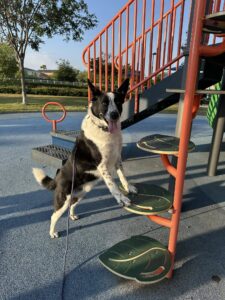
Reactive dogs overreact to everyday triggers like other dogs, skateboards, delivery trucks, or unfamiliar people. Reactivity is a disproportionate emotional response to a specific stimulus that would not bother most dogs.
Typical reactive behavior includes barking, lunging, whining, pacing, pulling hard on the leash, or freezing when a trigger appears. Leash reactivity is common on walks, but you might also see fence reactivity in the yard or noise reactivity to loud noises like doorbells and fireworks.
Fear is a common motivator for reactive dogs, but other underlying emotions, such as frustration or excitement, can also contribute. A dog might desperately want to greet another dog, but lose control when the leash prevents them. Reactive dogs often lack emotional self-control, which leads to frustration when their excitement is thwarted by a barrier.
Many reactive dogs interact calmly at a distance but lose it when certain triggers appear too close or too suddenly.
What Is an Aggressive Dog?
An aggressive dog shows behaviors meant to guard, threaten, drive away, or create distance from another dog, person, or animal. Aggression includes growling, snapping, biting, charging, or resource guarding.
Aggressive behaviors may be motivated by fear, pain, stress, resource guarding, territorial instincts, or conflict, and are not always deliberate attempts to harm.
Signs of aggression include:
- Hard staring with direct unblinking eye contact
- Growling as a warning signal
- Stiff, high, rigid body posture with a stiff, high-held tail
- Snarling, snapping, and biting with or without breaking skin
Resource guarding is a common form of aggressive behavior. This looks like a dog growling or biting when someone approaches their food, toys, beds, or even a favorite person.
Aggressive behaviors may appear with little warning if early subtle signals like lip licking or turning away have been missed or ignored. Aggression can be defensive, where the dog tries to create distance from a perceived threat, or offensive, where the dog moves toward the target to control or scare it.
Common Causes of Reactivity and Aggression
Reactivity and aggression share many root causes, but not all reactive dogs become aggressive dogs. Understanding the difference helps you address the real problem.
Common causes include:
- Genetics and breed tendencies
- Early socialization that may reduce risk, though genetics, health, environment, and past experiences also play important roles
- Scary or painful experiences during puppyhood or adulthood
- Chronic stress at home
- Pain or undetected medical conditions
Triggers vary widely: men with hats, children running, other dogs staring, loud trucks, or crowded sidewalks. Leash tension, poorly fitted equipment, and owners yelling can increase a dog’s arousal and make both conditions worse.
Can a Reactive Dog Become Aggressive?
Reactivity can escalate toward aggression if triggers, stress, and emotional thresholds are not managed effectively. However, not all reactive dogs will become aggressive.
For example, a fearful reactive dog that consistently faces invading strangers in its space without relief may begin to escalate its responses over time, possibly leading to snapping or biting as a way to create distance.
Key risk markers include:
- Bites to clothing or near-misses
- Escalating growls that deepen and last longer
- Shorter tolerance around triggers over time
- Behavior spreading to new contexts
Early intervention with behavior modification and counter conditioning can help reduce the risk that reactive behavior turns into more serious aggression.
When You Should Be Concerned (And Act Quickly)
Some barking is normal, but certain patterns mean it is time to take things seriously.
Red flag situations include:
- Any bite that breaks skin
- Repeated snapping at people or pets
- Growling over food, toys, or space
- Pinning other dogs
- Blocking children or people from moving around the home
Sudden new aggression, a history of bites, severe anxiety, or pain-related behavior should prompt evaluation by a veterinarian or veterinary behavior professional.
Seek professional help if you feel nervous walking your dog, cannot safely have guests over, or are changing your daily life out of fear. Keep a simple diary noting dates, triggers, distance, and intensity to share with a trainer.
Safe First Steps For Owners of Reactive and Aggressive Dogs
Do not punish growling or barking. These are important warning signals that help you protect everyone.
Safe management steps:
- Increase distance from triggers on walks
- Avoid situations like crowded dog parks
- Use secure equipment like a properly fitted harness
- Walk at quieter times of day
Stop testing your dog by putting them into scary situations. Focus on calm, predictable routines instead. Teach simple foundation skills at home using positive reinforcement: eye contact games, come when called, and go to mat. Keep sessions short and rewarding.
Safety tools like gates, crates, and properly conditioned muzzles reduce risk while longer term training is underway.
How Behavior Modification Helps Reactive and Aggressive Dogs
Behavior modification is a structured training plan to change how your dog feels and behaves around triggers over time. Managing reactive and aggressive dog behaviors focuses on changing the dog’s emotional response rather than just suppressing the outward reaction.
Desensitization means exposing your dog to a trigger at a low level they can handle, then slowly increasing the difficulty as they stay relaxed. Understanding a dog’s threshold, the distance at which they start to lose control, is critical for successful training.
Counter conditioning pairs the trigger with high-value rewards so your dog begins to expect good things instead of feeling afraid. This technique helps dogs associate their triggers with positive experiences like treats or praise.
Scientific and reward-based training methods like desensitization and counter conditioning are widely considered the most effective for long-term behavioral change. Progress is measured in weeks and months, not days. Setbacks are normal but manageable with a good plan.
Training Approaches For Reactive Vs Aggressive Dogs
Both reactive dogs and aggressive dogs need structure and clear rules. But safety and distance are even more critical with aggressive behavior.
A typical plan for a reactive dog includes:
- Controlled walks with distance from triggers
- Practice of focus skills like look at me
- Gradual real-world exposure using behavior modification
A typical plan for an aggressive dog includes:
- Strict management and secure handling gear
- Controlled setups with trained helpers
- Collaboration with a veterinarian when needed
Avoid confrontational methods like alpha rolls or harsh leash corrections. Harsh corrections may increase stress or make some dogs harder to manage.
Consistency, patience, and professional guidance are essential for the best outcomes.
When To Seek Professional Help
Seek professional help early, before a bite happens.
Situations that call for expert guidance:
- Bites to people or other dogs
- Serious resource guarding
- Lunging that drags the handler
- Households with children and a dog showing warning signs
A qualified professional can assess whether a dog is primarily reactive, aggressive, or a mix and design a safe behavior modification plan. Effective training focuses on positive reinforcement and desensitization to change emotional responses instead of punishment.
Ask trainers about their experience with reactivity and dog aggression, their methods, and how they handle safety during sessions. Combine training with veterinary support if your dog shows extreme anxiety, sudden personality changes, or possible pain-related aggression.
Living With and Supporting a Reactive or Aggressive Dog
Caring for reactive dogs or aggressive dogs can feel isolating and stressful. You are not alone, and help exists.
Realistic lifestyle tips:
- Choose quieter walking routes
- Use clear signage on harnesses like do not pet
- Set house rules for visitors
- Build confidence with scent games and easy training before moving to busier environments
Celebrate small wins. A calmer walk today compared to before is real progress. Positive exposure to various situations during training builds confidence over time.
Many dogs improve greatly with patient, consistent work. Asking for help is a responsible, caring choice.
Frequently Asked Questions
Is my dog reactive or just badly behaved?
Bad behavior usually means the dog has not been taught what to do. Reactive behavior is an emotional overreaction tied to specific triggers like other dogs or strangers. Look for patterns: if barking only happens when another dog appears, that points to reactivity. Keep a log for 7 to 10 days noting what sets your dog off and how quickly they recover.
Can a puppy already be reactive or aggressive?
Even young puppies can show early signs of reactivity, like barking or hiding from new people, especially if they missed socialization before 12 to 16 weeks. True aggression in very young puppies is rare. Rough play and puppy mouthing are often mistaken for aggression. Start gentle socialization early and consult a trainer if fear or snapping appears.
Will neutering or spaying fix my dog’s aggression?
Surgery alone does not fix reactivity or aggression. It may reduce certain hormone-driven behaviors in some dogs. Since most aggressive behaviors are learned responses to fear, frustration, or past experiences, training and behavior modification are still needed. Discuss timing with your veterinarian as part of a broader plan.
Is it safe to take a reactive dog to a dog park?
Busy dog parks are usually a poor choice for reactive dogs. They are full of unpredictable triggers and off-leash dogs. Dog parks can accidentally make reactivity worse if the dog has repeated stressful experiences there. Safer alternatives include quiet walks, parallel walks with a calm dog at a distance, or fenced fields rented by the hour.
Can an aggressive dog ever be trustworthy again?
Many dogs with a bite history improve significantly with careful behavior modification. However, no living animal can be guaranteed 100 percent safe in all situations. Think in terms of managing risk: secure equipment, clear routines, and avoiding known triggers. Work closely with professionals to assess progress and decide what level of freedom is safe for your individual dog.
Ready to Help Your Reactive or Aggressive Dog?
If you’re struggling to manage your dog’s reactive or aggressive behaviors, don’t wait to get help. Early intervention can make a huge difference in your dog’s quality of life and safety for everyone. Reach out to a professional trainer or behavior specialist who can guide you through a tailored behavior modification plan. With patience, consistency, and the right support, your dog can learn to feel calmer and more confident in everyday situations. Take the first step today to build a happier, safer relationship with your furry friend.