
Does your dog jump up on everyone who walks through your door? You are not alone. Jumping on people is a common challenge for dog owners, and with patience and the right approach, it can be improved. This guide explains why dogs jump, how to encourage calm greetings, and what to do when guests arrive to keep everyone safe and comfortable.
Key Takeaways
- Dogs often jump to get attention, and even negative reactions like pushing or yelling can encourage the behavior. The solution is to remove all rewards for jumping and teach a different, more polite way to greet people.
- Teaching your dog to sit when greeting and giving attention only when all four paws are on the ground helps encourage better manners.
- Everyone in the household and visitors should follow the same rules to avoid confusing your dog.
- Using tools like leashes, baby gates, or crates can help manage your dog’s behavior while training is in progress.
- For nervous, fearful, reactive, or large dogs, extra safety measures and professional guidance may be needed to ensure training is safe and effective.
Why Dogs Jump on People
Most dogs jump for natural reasons, not to be rude or difficult. Understanding why your dog jumps can help you address the behavior more effectively.
- Seeking attention: Dogs learn that jumping gets a reaction, even if it’s negative. Talking to or pushing a jumping dog can make them think jumping is a way to get noticed.
- Excitement: Your dog may jump when they are happy to see you after a day apart. Jumping becomes part of their way to say hello.
- Puppy habits: Puppies often get picked up or cuddled when they put their paws on people, which teaches them that jumping gets attention. This can become a problem as they grow.
- Energy levels: Dogs who do not get enough exercise or mental stimulation may jump more because they have extra energy.
- Anxiety or nervousness: Some dogs jump to seek comfort or reassurance when they feel unsure or scared.

Set Clear Rules to Stop Jumping on People
Clear and consistent rules help your dog understand what behavior is expected.
- Jumping should never get attention, petting, or treats. This rule should be followed all the time without exceptions.
- Make sure all family members and visitors respond the same way when your dog jumps. Ignoring the dog when it jumps and only giving attention when all four paws are on the ground helps your dog learn what is acceptable.
- Create simple house rules, like asking your dog to sit before petting and rewarding calm behavior.
- Share these rules with guests so they know how to help prevent jumping.
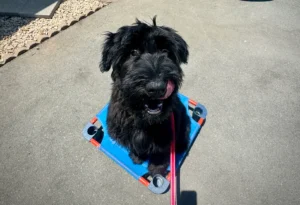
Teach a Different Behavior: Sit to Greet
Teaching your dog to sit when meeting people is an effective way to replace jumping with polite behavior. A dog cannot jump and sit at the same time.
How to practice:
- Start in a quiet space with few distractions. Hold a treat near your dog’s nose and slowly move it back toward their ears to encourage sitting.
- When your dog sits, say “yes” or use a positive word and give the treat right away.
- After repeating this several times, add the word “sit” as a cue.
Greeting example:
- The person stands a short distance away.
- You ask your dog to sit.
- When your dog sits, the person calmly approaches and pets them.
- If your dog jumps, the person steps back and waits.
- Repeat until your dog learns that sitting helps them get close to people.
Short, regular practice sessions are better than long, stressful ones.
Use Management Tools to Prevent Jumping
Management helps prevent your dog from practicing jumping while they are learning new behaviors.
- Keep your dog on a leash during busy times, such as when guests arrive, so you can guide them into a sit or control their movement.
- Use baby gates or exercise pens to keep your dog separated from visitors until they calm down.
- Provide mental and physical exercise before visitors come to reduce excess energy that can lead to jumping.
- For large or reactive dogs, consider using a crate or a separate room to keep everyone safe. This is especially important if your dog gets nervous or overly excited around strangers.
What to Do When Guests Arrive
Here are steps to create calm greetings and reduce jumping when visitors come to your home.
Before opening the door:
Put your dog on a leash or behind a gate. Ask them to sit or go to a designated spot and wait until guests are settled.
Guest instructions:
Ask visitors to ignore your dog at first—no talking, touching, or eye contact—until your dog has all four paws on the floor.
Practice routine:
- Knock or doorbell rings.
- You take your dog to a mat or spot away from the door.
- Ask your dog to sit.
- Once calm, open the door and allow the guest to enter.
- The guest gives a treat only when your dog is sitting calmly.
The “scatter” method, which involves tossing treats away from the door, can help redirect your dog’s energy toward sniffing instead of jumping.
Common Mistakes That Keep Dogs Jumping
Avoid these habits that can make jumping worse:
- Using physical force like pushing or yelling gives your dog attention and can increase jumping.
- Letting some family members or visitors allow jumping confuses your dog about the rules.
- Greeting your dog with excited voices and fast movements encourages jumping.
- Physical corrections like stepping on paws can harm your dog’s trust and cause other problems.
Keep greetings calm, quiet, and predictable to help your dog learn faster.
Extra Tips to Help Your Dog Stop Jumping
- Teach your dog a “place” command to relax on a mat or bed when guests arrive.
- Increase your dog’s exercise and mental activities with walks, play, and puzzle toys.
- Use small, tasty treats to reward good behavior during training, then gradually replace treats with praise.
- Keep a simple log of training sessions and progress to stay consistent.
When to Get Professional Help
Some dogs need extra support to learn polite greetings safely.
Consider contacting a professional trainer if:
- Your dog is large and knocks people over.
- Children in the home are scared or have been hurt.
- Your dog barks, lunges, or shows signs of fear or aggression when greeting people.
- You have practiced consistently but see little improvement.
A skilled trainer can create a plan tailored to your dog’s needs and help you practice in real-life situations.
Frequently Asked Questions
How long does it take to reduce jumping?
With consistent training and management, many dogs begin to show improvement within a few weeks. However, building lasting habits depends on factors such as your dog’s age, energy level, previous experiences, and how regularly you practice. Patience and consistency are key to long-term success.
Should I use a harness or collar when training?
Both harnesses and collars can be effective as long as your dog is comfortable and the equipment fits properly. The choice depends on your dog’s size, behavior, and sensitivity. More important than the equipment is focusing on teaching calm, polite behavior through positive reinforcement and consistent cues.
Can I let my dog jump on me but not on guests?
It’s best to maintain a consistent rule for greeting all people to avoid confusing your dog. Allowing jumping sometimes may reinforce unwanted behavior. If you want to permit jumping in specific situations, teach a clear cue or command so your dog understands when it is acceptable.
What if my dog jumps more when I ignore them?
When you stop giving attention to jumping, some dogs may initially increase the behavior to try to get a response. This is a normal phase called an extinction burst. Stay patient, continue to ignore jumping, and only reward your dog when all four feet are on the ground. Over time, the jumping behavior will decrease.
Can older dogs learn to stop jumping?
Yes, dogs of any age can learn new behaviors with consistent, positive training. While older dogs may take longer to adjust, they are capable of learning polite greetings and replacing jumping behavior with alternatives like sitting or staying calm.
Ready to Stop Your Dog From Jumping on People?
If you’re ready to enjoy calm, polite greetings with your dog, start practicing these steps today. Consistency and patience will help your pup learn good manners and make every visit a happy one. Remember, every dog can learn with the right approach — and you’re not alone on this journey.
Share your progress with fellow dog lovers in your community and consider reaching out to a professional dog trainer if you need extra support. Take the first step now to build a better bond with your best friend!