
Key Takeaways
- Yes, older dogs can absolutely learn new tricks. Dogs aged 8 to 12+ years still form new brain connections and respond well to patient, gentle training.
- Senior dog obedience improves safety, reduces bad habits like excessive barking or pulling, and keeps your canine companion mentally sharp.
- Training older dogs may take a bit longer and needs shorter sessions plus age-appropriate goals, but progress is very achievable.
- A vet check before starting helps rule out pain or health conditions that might affect your dog’s ability to learn.
- Starting today, even with a mature dog, is worthwhile. Every small win builds a deeper connection and better quality of life for both you and your pet.
Can Older Dogs Be Trained? (Short, Direct Answer)
Yes, absolutely. Many people believe adult dogs are too old to train, but with the right approach, they can make significant progress regardless of age.
The old saying “you can’t teach an old dog new tricks” dates back to the 1500s. It stuck around as a cultural myth. But veterinary science and real-world training experiences tell a different story. Your dog’s brain keeps forming new neural connections throughout its whole life. This process, called neuroplasticity, does not stop just because your pet enters its golden years.
Dog owners often worry about middle-aged dogs (7 to 9 years) and senior pets (10 to 14+ years). Both groups can still learn. Research from the University of Vienna found that dogs around 10 years old needed more repetitions to learn new skills, but once they learned something, they retained it just as well as puppies. They even outperformed younger dogs on logic and reasoning tasks.
Here is a concrete example: a 12-year-old retriever learned proper heel position in just two weeks through daily 5-minute sessions. That is the power of consistent, patient training with an older dog.

Signs Your Older Dog Can Still Learn behaviors
Most adult dogs and senior dogs show daily signs that they can still learn and adapt. You just need to know what to look for.
Clear signs your dog is ready to learn include:
- Responding to their name from across the room
- Turning toward sounds or following your movements
- Adapting to new routines (like a shifted dinner time) within a few days
- Showing curiosity by sniffing new paths on walks or exploring new toys
- Watching you closely for cues about food or activities
Even a slower, sleepy older dog who perks up for treats or praise still has the motivation to learn. That tail wag when the treat bag rustles? That is your dog’s reward system working just fine.
Older dogs often have longer attention spans and greater self-control compared to puppies, which can make training them easier and more effective in certain situations. A puppy might focus for 2 to 5 minutes. An adult dog can often stay engaged for 10 to 15 minutes.
If your dog seems suddenly confused or forgets cues they used to know, schedule a vet visit first. Around 28% of dogs over 11 years experience some cognitive changes. Ruling out medical issues ensures you are not training harder when your dog actually needs treatment.
Common Challenges With Training Older Dogs
Training an older dog simply needs a few smart adjustments. These challenges are normal and manageable.
Physical limitations are common. About 20% of dogs over 8 years have osteoarthritis. Stiff joints can make repeated sits or downs uncomfortable. Your dog might move 30 to 50% slower than in their prime years. Training should prioritize low-impact activities to accommodate aging joints, focusing on commands that do not strain these areas.
Sensory changes affect roughly half of senior dogs. Hearing loss occurs in 40 to 60% of older pets. Vision impairment, like cloudy lenses, affects 80% of dogs by age 12. Adaptations for sensory loss, such as using clear hand signals for dogs with hearing loss and relying on scent markers for dogs with vision loss, can aid training significantly.
Entrenched bad habits take longer to change. A different dog might learn loose-leash walking in days, but a senior who has pulled for 10 years needs 2 to 3 times more practice. Behaviors like jumping on guests or excessive barking become deeply ingrained over time.
Fatigue sets in faster. Senior dogs may tire after 5 to 7 minutes versus a puppy’s 15+. Training sessions for older dogs should be kept short, ideally lasting no longer than 15 to 20 minutes, to maintain their focus and prevent frustration.
Benefits Of Training Senior Dogs And Adult Dogs
Training supports both body and mind for older dogs. The rewards go far beyond simple obedience.
Mental benefits are significant. Mental stimulation for older dogs is crucial for cognitive health and prevents boredom. Structured training sessions act like brain exercises, potentially delaying cognitive decline by 1 to 2 years. One study found a 35% reduction in disorientation symptoms among trained senior dogs compared to untrained ones.
Emotional benefits build over time. Regular training sessions for older dogs can reinforce familiar routines and gently introduce new challenges, enhancing their overall well-being and happiness. Trained seniors show up to 50% less separation anxiety. They gain confidence with each new skill mastered, and the bond between dog and owner deepens through shared successes.
Safety benefits protect your pet daily. A reliable “come” command prevents 70% of roadway escapes. “Stay” helps arthritic dogs avoid falls. “Leave it” stops your dog from eating something dangerous on walks.
Practical benefits make life easier for everyone:
- Vet visits become 40% calmer
- Guests arrive without jumping and chaos
- Walks become enjoyable instead of a tug-of-war
- Your shoulders thank you for a dog who walks loosely on leash
Training older dogs can help keep them physically and mentally active, providing them with a sense of purpose and preventing boredom, which can lead to undesirable behaviors.
Helpful Training Tips For Older Dogs
Training older dogs requires a gentler pace and some adjustments.
Use high-value rewards. Soft, easy-to-chew treats like chicken or cheese work best since many older dogs have dental wear. Pair treats with praise.
Keep sessions short. Aim for 5 to 10 minutes, two to three times a day. Frequent short sessions reinforce learning better than long ones.
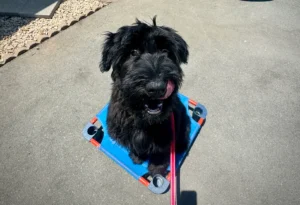
Focus on low-impact commands: “Sit,” “Down” on soft surfaces, “Stay” for short periods, “Come” indoors first, “Place” on an elevated bed, and loose-leash walking with a front-clip harness.
Accommodate physical limits. Use soft surfaces, allow slower movements, and avoid jumping.
Maintain consistency. Use the same commands and signals across all family members to prevent confusion.
House and Crate Training for Older Dogs
About 30% of seniors may have house training setbacks due to medical issues. A vet check is important.
Restart house training by taking your dog outside frequently, praising outdoor elimination, supervising indoors, and cleaning accidents thoroughly.
Crate training works for many older dogs if introduced slowly. Make the crate a safe, comfortable space and limit time inside to 2 to 4 hours.
Obedience and New Tricks
Start with core commands: sit, down, stay, come, heel, and leave it. Use simple cues paired with consistent body language.
Older dogs can learn new behaviors and unlearn old habits with adult-specific training methods. Progress may be slower; patience is key.
Mistakes to Avoid
Avoid long sessions that cause fatigue. Do not punish old habits harshly. Always consult a vet before starting training. Avoid inconsistent commands and comparing your dog to others.
When Professional Training May Help
Some adult dogs and older dogs need extra support beyond home training. That is completely normal.
Consider professional training for:
- Aggression or biting history
- Intense reactivity on walks (lunging at dogs from 50+ feet)
- Serious resource guarding (food snaps, toy protection)
- Constant barking that disrupts daily life
- Strong pulling that ignores all home efforts
- Recall failures near traffic or other dangers
Dogs who seem very anxious outside can benefit from structured, real-world obedience work. A professional dog trainer can tailor older dog training to health limits, using calm, low-stress methods and clear communication.
Pet parents with busy schedules or complex behavior issues may find immersive programs or private lessons helpful to jump-start progress. Professional training achieves 75 to 90% improvement in challenging cases versus 40% with home-only efforts.
The right approach makes all the difference. Many dog owners discover their “stubborn” senior just needed proper training methods designed for their age and needs.
Simple, Supportive Conclusion
Training an older dog is not just possible. It is rewarding for both you and your canine companion. The myth that it is late to train a senior pet simply does not hold up against real experience and science.
Start small today. Teach one simple cue. Set up a calmer door routine. Ask for a “sit” before meals. These tiny steps add up quickly.
Patience, kindness, and consistency matter far more than age. Every small win is worth celebrating. Your dog does not care that they are in their golden years. They just want to learn, please you, and enjoy good behavior rewards along the way.
No matter how old your dog is right now, you can build better days together. It is never too late.
FAQ: Training Older Dogs
Is my 10-year-old dog too old to start obedience training?
No. Many 10-year-old dogs learn well, especially with food or praise and comfortable movement. A vet check is important first. Start with gentle commands like “sit,” “stay,” and loose-leash walking. Focus on safety and mental sharpness, avoiding high-impact exercises.
How long should training sessions be for senior dogs?
Keep sessions short, around 5 to 10 minutes, several times a day. Avoid sessions longer than 15-20 minutes to maintain focus. Watch for signs of fatigue or stress and stop as needed. Integrate training into daily routines for natural learning.
What if my older dog seems confused or forgets cues?
Confusion may result from aging, lack of practice, or medical issues like cognitive decline. Use extra rewards, shorter steps, and clear cues. Consult a vet if confusion worsens. Early care can help manage symptoms.
Can crate training work for a dog that has never used a crate before?
Yes, with slow, positive introduction. Make the crate comfortable and associate it with good experiences. Avoid punishment. Adjust for physical limits and watch for stress signs. Ensure the crate fits your dog comfortably.
What is a realistic training goal for an older rescue dog in the first month?
Set simple goals: better house training, calmer greetings, and basic “sit” and “come” indoors. Build trust and routine first. Older dogs often have longer attention spans and more self-control, helping them learn effectively once secure. Track small wins and gradually raise expectations.
Ready to Start Training Your Older Dog?
No matter your dog’s age, the journey to better behavior and a stronger bond begins with a single step. Start today with short, fun training sessions that fit your schedule and your dog’s needs. If you want extra support or have a challenging case, consider reaching out to a professional trainer who can tailor a training program just for your senior dog.
Remember, patience and consistency are your best tools. Your older dog is ready to learn and thrive — and so are you. Let’s make every day better together!