

Key Takeaways
- Labrador Retrievers, Golden Retrievers, and Beagles continue to be among the best family dogs in 2026, prized for their friendly temperaments and child-friendly nature.
- This comprehensive list includes small, medium, and large breeds to accommodate various family dynamics, living spaces, and activity levels.
- Consideration of energy levels, grooming requirements, health issues, and compatibility with your family’s lifestyle and budget is essential when choosing a family dog.
- Early socialization, consistent training, and understanding your dog’s personality are more important than breed labels for safe and happy interactions with children.
- Rescue and mixed breed dogs can make wonderful family pets when their temperament and compatibility are properly assessed.
How to Choose the Best Family Dog for Your Home
Choosing the right family dog involves more than picking a popular breed. It requires careful consideration of your family’s unique needs and lifestyle. Factors such as your children’s ages, your working hours, access to a yard or outdoor space, and your tolerance for shedding or drooling all play a role. In 2026, around 65 to 70 million households in the US own dogs, making it one of the most beloved family pets.
Before deciding, consult breed clubs, veterinarians, and experienced dog owners, and explore educational dog training resources from Off Leash K9 Training of Murrieta. Meeting adult dogs of the breed you’re interested in can provide invaluable insight into their temperament and behavior. Remember, a dog’s personality and proper training often matter more than breed alone.
Families should also consider how much time they can dedicate to daily exercise and mental stimulation, as many family dogs require regular activity to stay healthy and well-behaved. Matching the dog’s energy level to your family’s lifestyle is crucial for harmony in the household.
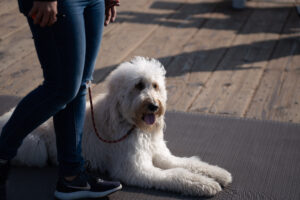
Top 10 Best Family Dog Breeds in 2026
These dog breeds have been consistently recommended by professional trainers, veterinarians, and experienced dog owners as excellent companions for family life in 2026.
1. Labrador Retriever
Labrador Retrievers are the most registered family dogs in the US and UK. They weigh between 55 and 80 pounds and typically live 10 to 12 years. Labs are known for their friendly, tolerant nature and ability to bond closely with families, making them ideal family dogs.
Labs require 60 to 90 minutes of daily exercise, including activities like swimming, fetch, and long walks. Their playful nature means that young Labs can be mouthy and exuberant, so supervision around very small children is recommended. Health concerns such as obesity and hip dysplasia are common in Labs, so maintaining a healthy diet and exercise routine is important.
2. Golden Retriever
Golden Retrievers weigh between 55 and 75 pounds and are legendary for their gentle, sociable nature. They form strong bonds with family members and are known for their patience with children of all ages. Their thick, golden coats require weekly brushing and regular grooming to keep shedding manageable.
Goldens thrive in active families who enjoy outdoor activities such as hiking, swimming, and playing fetch. They need daily exercise and mental stimulation to prevent boredom and destructive behaviors. Health issues to watch for include hip dysplasia, cancer, and ear infections.
3. Beagle
Beagles are medium-sized dogs weighing 20 to 30 pounds, known for their playful personalities and friendly nature. Originally bred as hunting dogs, Beagles have an exceptional sense of smell and require daily exercise and mental stimulation through scent games or puzzle toys.
Secure fencing is essential for Beagles because of their strong scent drive, as they may wander off following interesting smells. Beagles are good with children and other pets when properly socialized but can be vocal, which some families may find challenging. Regular grooming is minimal, but their ears need routine cleaning to prevent infections.
4. Cavalier King Charles Spaniel
Cavalier King Charles Spaniels are small lap dogs weighing 13 to 18 pounds, making them ideal for apartment living and families with limited space. They have gentle, calm temperaments and are known for their affectionate nature and ability to form strong bonds with family members.
Regular grooming is necessary to maintain their silky coats, and they dislike being left alone for long periods. Health concerns such as heart disease are common in the breed, so choosing health-tested breeders is vital. Cavaliers require moderate exercise and enjoy family activities like gentle walks and playtime.
5. Standard Poodle
Standard Poodles are highly intelligent, adaptable dogs that suit allergy-conscious homes due to their low-shedding coats. They require professional grooming every 4 to 6 weeks to maintain their curly fur. These dogs thrive on moderate exercise and enjoy learning tricks and participating in dog sports.
Poodles are known for their trainability and gentle nature, making them excellent family dogs that adapt well to various family dynamics. They require significant mental stimulation to prevent boredom and destructive behaviors. Poodles are also considered hypoallergenic dogs, a great option for families with allergies.
6. Bernese Mountain Dog
Bernese Mountain Dogs are gentle giants weighing between 80 and 115 pounds. They have calm temperaments and are known for their loyalty and patience, making them excellent family pets for families with older children.
Originally bred for cooler climates, Bernese Mountain Dogs have thick coats that shed heavily and require regular grooming. Their lifespan is shorter, typically 7 to 10 years, and they are prone to joint issues and certain cancers. Families should plan for the higher cost of care associated with this large breed.
7. Boxer
Boxers are medium to large dogs weighing 55 to 80 pounds, known for their playful and energetic nature. They require ample daily exercise and are well-suited for very active families who enjoy outdoor adventures and playtime.
Boxers have natural protective instincts and are gentle with children, but their high energy and playful behavior mean they need consistent training and socialization, which can be supported through professional dog training in Murrieta. Health concerns include heart conditions and breathing difficulties, so regular veterinary care is essential.
8. Newfoundland
Newfoundlands are large, gentle dogs weighing over 100 pounds, often called “nanny dogs” due to their patient and protective nature with children. They are excellent swimmers and love water activities but require large living spaces.
Newfoundlands drool extensively and need regular grooming to manage their thick coats. They have higher veterinary costs due to their size and are prone to joint problems and heart conditions. Early socialization is important to help them understand their size and play appropriately with children and other pets.
9. Havanese
Havanese dogs weigh between 7 and 13 pounds and are excellent companions for first-time dog owners. This small dog breed has playful personalities and requires gentle handling, especially from older children.
Regular professional grooming keeps their coats manageable. Havanese dogs thrive on human interaction and can develop separation anxiety if left alone for long periods. They are adaptable to apartment living and enjoy moderate exercise and family activities.
10. English Bulldog
English Bulldogs weigh 40 to 55 pounds and have gentle temperaments, making them suitable for calm homes. They require short walks and careful weight management to maintain health.
Due to their brachycephalic (flat-faced) nature, Bulldogs may experience breathing difficulties, especially in hot weather, and require regular health monitoring. Their low energy levels make them a good fit for families with less active lifestyles. Bulldogs need moderate grooming and regular cleaning of their skin folds to prevent infections.
Additional Popular Family Dog Breeds to Consider
While the above are the top 10 best family dogs, other dog breeds for families also deserve mention due to their excellent traits.
- Staffordshire Bull Terrier: Known as “nanny dogs,” Staffies are affectionate and loving with children when properly socialized. They require consistent training and plenty of exercise.
- Soft Coated Wheaten Terrier: Medium-sized dogs with friendly temperaments and low shedding coats, making them suitable for families with mild allergies.
- German Shepherds: Intelligent and loyal working dogs that form strong bonds with families. They require significant exercise and training, and many families benefit from understanding Off Leash K9 Training’s methods and FAQs before getting started.
- Cocker Spaniels: Gentle and adaptable dogs with playful personalities and moderate grooming needs.
- Miniature Schnauzer: Small, energetic dogs that are intelligent and trainable, with low shedding coats suitable for allergy sufferers.
- Velcro Dogs: Breeds like the Vizsla are known as “velcro dogs” for their strong attachment to family members and need for constant companionship.
Beyond Breeds: Training, Kids, and Long-Term Fit
Even the perfect family dog requires proper training, socialization, and respect from children to thrive. Early socialization helps dogs become comfortable around children, other pets, and various environments. Teaching kids to recognize stress signals in dogs, such as lip licking or yawning, is essential to prevent accidental injuries.
Training should focus on basic obedience commands like “sit,” “stay,” “come,” and “leave it,” ensuring reliable responses even in distracting situations. Gentle mouth training and impulse control exercises help dogs interact safely with children during play.
Families should also establish boundaries and respect each dog’s personal space to prevent resource guarding and stress. Providing dogs with safe retreats when they need breaks from interaction is important for their well-being, and structured guidance from Off Leash K9 Training SoCal can help families create these routines successfully.
Care Requirements for Family Dogs
Different breeds have varying care needs. Brachycephalic breeds like Bulldogs and Pugs struggle to cool themselves and are at high risk of heatstroke in warm climates such as Murrieta. These dogs require access to shade, fresh water, and should avoid walking on hot pavement, and owners should also budget for appropriate dog training plans and pricing tailored to their breed’s needs.
Low-shedding or hypoallergenic breeds like Poodles and Bichon Frises are recommended for families with allergies. Regular professional grooming is necessary to maintain their coats and prevent matting.
Exercise requirements vary widely. Beagles need daily exercise and mental stimulation, while breeds like Pugs require less physical activity. Larger breeds like Bernese Mountain Dogs and Newfoundlands need space and consistent grooming, and reading real reviews of local training programs can help families choose the right support.
Regular veterinary care, including health monitoring for breed-specific issues such as hip dysplasia, heart conditions, and ear infections, is essential for maintaining your family dog’s health.
Climate Considerations for Dogs
Families living in warm, dry climates should consider breeds that can tolerate heat or plan for indoor care during heat waves. Dogs with flat faces, such as Bulldogs and Pugs, require special attention to prevent overheating.
Regardless of breed, dogs should always have access to shade and fresh water, and walks should be scheduled during cooler parts of the day to avoid hot pavement burns. Watching before-and-after dog training videos can also help families visualize how consistent training improves safety and control outdoors.
FAQ
What is the best first dog for families with toddlers?
Calm, medium-sized adult dogs like mature Golden Retrievers or Labrador Retrievers are safer choices than boisterous puppies. Avoid fragile toy breeds or dogs prone to resource guarding around very young children.
Are mixed breed or rescue dogs good family pets?
Many mixed breed and rescue dogs make excellent family companions when their behavior around children and other animals is properly assessed. Working with reputable rescues offering trial periods can help ensure a good match.
How much does owning a family dog usually cost each year?
Annual costs range from $1,000 to $5,000 depending on the dog’s size, health, and grooming needs. Budget for food, veterinary care, insurance, and grooming. Larger breeds and those with breathing problems typically incur higher costs.
How much time per day does a family dog really need?
Exercise needs vary by breed. Low-energy dogs like Pugs may need around 30 minutes of daily exercise, while active breeds like Border Collies require up to 2 hours. Most family dogs benefit from several interactive sessions throughout the day.
Can families in small flats still own large dogs?
Size matters less than energy level. Calm giant breeds can manage well in apartments with sufficient outdoor exercise. Always check landlord rules and building access before choosing a large dog.
This expanded guide provides a thorough overview of the top 10 best family dogs in 2026, helping families make informed decisions that match their lifestyle and needs. Proper training, socialization, and care are key to nurturing happy, well-adjusted family pets.
Conclusion
Choosing the top 10 best family dogs for your home in 2026 means finding the perfect balance between temperament, energy level, size, and care requirements to fit your family’s unique lifestyle. Whether you prefer a playful Labrador Retriever, a gentle Golden Retriever, or a loyal Staffordshire Bull Terrier, the right dog can become a wonderful companion and a cherished family member. Remember, beyond breed characteristics, proper training, early socialization, and teaching children respectful interaction are essential for a harmonious and safe home. With thoughtful consideration and commitment, your new family dog will bring joy, love, and lasting memories to your household for years to come.