
A dog that actually listens makes daily life easier for everyone. Obedience training is the foundation that helps dogs stay calm at home and behave reliably in public, whether you are greeting guests, walking through a busy park, or simply enjoying a quiet evening. It teaches dogs how to respond more calmly and predictably in everyday situations through clear expectations, repetition, and follow-through.
Key Takeaways
Obedience training is about everyday behavior, not tricks. Here is what you need to know:
- Obedience training teaches dogs clear rules and structure so they can stay calmer at home and in public settings
- Core skills like sit, down, place, recall, and leash manners directly reduce jumping, pulling, door rushing, and overexcitement
- Calm, reliable obedience comes from consistency, follow-through, and practicing in different environments rather than quick fixes
- Training strengthens the human-animal bond, allowing owners to understand their dog’s needs while setting clear expectations
- Specialized real-world, high-distraction obedience training can help when owners feel stuck
What Is Obedience Training in Everyday Life?
Obedience training is more than teaching tricks. It is about helping your dog learn how to behave calmly and predictably in daily situations. In simple terms, it means your dog responds to commands like sit, down, heel, come, and place around real-life distractions, not just in your living room.
There is a critical difference between a dog “knowing” a command at home and being reliable with that command in exciting places such as parks, sidewalks, and vet offices. Training in environments with distractions helps dogs learn to focus on their owners despite external stimuli, which is crucial for off-leash obedience.
Effective obedience training focuses on helping dogs respond more reliably in real-life situations. Depending on the dog and the training plan, that may include leash work, place, recall, structured obedience, and reward-based teaching that helps owners communicate clearly and consistently. Positive reinforcement is a widely recommended method in obedience training, where rewards such as treats or praise are given to encourage desired behaviors.

How Obedience Training Supports Calm Behavior at Home
Common home struggles include barking at windows, jumping on guests, racing through doorways, and constant pacing or whining. These behaviors stem from a lack of clear direction.
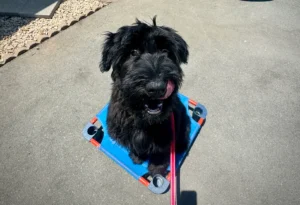
Teaching sit, down, and place gives the dog specific jobs to do. When a dog has something to focus on, they settle instead of reacting to every sound or movement. The place command directs your dog to a calm spot like a bed, cot, or mat where they lie down and stay. This allows families to eat dinner, answer the door, or relax without constant chaos.
Consistent rules for doors, furniture, feeding, and play reduce overexcitement and help the dog predict what is allowed. Consistent training helps dogs feel secure by setting clear expectations.
Consider a dog that used to jump all over visitors. After learning the place command, that same dog now goes to their bed for 10 to 20 minutes when guests arrive. This transformation comes from short, structured sessions during normal routines, not only during formal training time.
How Obedience Training Helps Dogs Handle Distractions Outside
Typical outdoor challenges include pulling toward other dogs, lunging at squirrels, ignoring recall, and overstimulation in busy neighborhoods. Obedience work outside should help dogs stay responsive around real distractions by building skills gradually through structured practice and clear follow-through.
Outdoor obedience focuses on leash manners, heel, recall, and staying calm when bikes, strollers, dogs, and people pass nearby. The goal is to start in easier environments, then build into parks, sidewalks, trails, and other public settings so your dog learns that commands still matter when distractions increase.
Real-world field trips and, when appropriate, remote e-collar training can help dogs stay attentive even off leash. A dog that used to drag its owner toward every other dog can learn to walk calmly at heel in a busy park with proper behavior training.
Why Structure and Consistency Matter for Calm Dogs
Dogs feel more relaxed when they understand the rules and those rules are the same every day. Structure means clear routines for feeding, walks, play, training sessions, and rest rather than a chaotic, free-for-all schedule.
Consistency means everyone in the household uses the same commands, rewards, and corrections so the dog is not confused. When one person says “down” and another says “lie down,” the dog receives mixed signals. Effective training relies on elements like consistency and timing in delivering rewards.
Unpredictable rules increase anxiety and push dogs to test boundaries, which can look like stubbornness or hyperactivity. Simple structure ideas include:
- Having the dog sit before going outside
- Waiting calmly before meals
- Practicing short obedience drills before play
Core Obedience Commands That Support Calm Behavior
A small set of well-taught commands can transform daily life if owners actually use them. Teaching basic cues such as sit, stay, and come are fundamental to obedience training.
| Command | Purpose | Everyday Application |
| Sit | Controls impulsive behavior | Jumping at doors, before meals, greeting guests |
| Down | Encourages deeper relaxation | Family movie nights, conversations, long waits |
| Place | Manages energy around triggers | Visitors arriving, cooking time, doorbell rings |
| Come | Increases safety and freedom | Calling away from distractions, off-leash control |
| Heel | Creates mentally calmer walks | Passing other dogs, crowded sidewalks, trails |
Training sessions should stay focused and manageable so the dog can succeed without getting overwhelmed. What matters most is consistency, clear communication, and enough repetition for the dog to understand the command in more than one setting. Private lessons and immersive training programs can also help owners build these skills more reliably around distractions.
Managing Jumping, Pulling, Door Rushing, and Overexcitement
These behaviors are extremely common and frustrating, but they can be addressed through consistent obedience training.
Jumping on people: Teach and enforce sit for greetings. Calmly ignore jumping and reward dogs when they display calm four-on-the-floor behavior. Using positive reinforcement helps dogs associate good behavior with rewards, which encourages them to repeat those behaviors in the future.
Pulling on leash: Address this with structured heel training, clear leash communication, and rewarding the dog for staying near the handler’s side.
Door rushing: Practice this routine:
- Have the dog sit or go to place before the door opens
- Practice self control with the door partially open
- Only allow the dog through on a release word
Overexcitement comes from a lack of boundaries and follow-through. Training effectively reduces unwanted behaviors like destructive chewing, excessive barking, or jumping. For dogs with serious reactivity or aggression layered on top of these issues, professional help is often needed to keep everyone safe.
Why Clear Expectations Reduce Stress and Confusion
Dogs do not understand good or bad in human terms. They understand what works and what does not. When rules change from day to day, dogs become confused, which can look like anxiety, nervousness, or pushy behavior.
Obedience training gives dogs a reliable pattern: verbal command, behavior, and predictable consequence. This lowers their stress. Training serves as mental stimulation, preventing boredom that often leads to anxiety and behavioral issues.
Calm dogs usually live in homes where the humans are consistent about what is allowed, where the dog can be, and how the dog earns freedom. Trainers coach owners on how to communicate expectations clearly so the dog is not guessing all the time.
How Follow-Through Builds Reliability
Many dogs know commands but ignore them because no one has consistently followed through. Follow-through means calmly guiding the dog to complete the command every time it is given so commands actually mean something.
If the dog breaks a sit when a guest walks in, the owner gently puts the dog back into sit instead of allowing the behavior to slide. Follow-through should be firm but fair, avoiding yelling or anger, and using tools and techniques the dog already understands.
Over time, consistent follow-through creates a dog that listens the first time, which makes daily life much easier and safer. Regular, short training sessions are more effective than long, infrequent ones.
Why Practice Calm Obedience in Different Environments
Dogs do not automatically connect sit in the kitchen with sit at the park. This is called generalization, and it requires deliberate practice. Consistent practice in various environments is essential for reinforcing training, as dogs need to generalize their skills to different settings and distractions.
Owners should start in low-distraction places like the living room, then move to the backyard, driveway, quiet streets, and finally busier areas. The idea is simple: build success in easier environments first, then raise the difficulty as your dog becomes more reliable.
Practicing in real environments helps obedience carry over beyond the home. Owners should work on skills in different places over time so dogs learn that the same expectations apply on walks, in neighborhoods, and around everyday distractions.
How Obedience Improves Communication Between Dog and Owner
Obedience training creates a shared language through consistent commands, markers, and body language. Clear communication reduces frustration on both you and your dog, leading to a calmer relationship and fewer misunderstandings.
When owners improve their timing, tone, and handling, dogs usually become more confident and easier to guide. That is why owner coaching matters so much. Better communication between dog and owner makes obedience more reliable and daily life less frustrating.
Owner lessons included in training programs help people maintain and use the training in daily life. An owner who used to repeat commands many times can learn to give a single, clear command that the dog understands and follows.
Common Mistakes Owners Make with Obedience Training
Most pet owners make similar mistakes, and they can be corrected with better structure and coaching:
- Inconsistent rules: Allowing the dog on the couch sometimes and scolding them other times creates major confusion
- Repeating commands: Saying sit five times teaches the dog that listening the first time is optional
- Long, chaotic sessions can make training less productive. Dogs usually do better when the work stays clear, structured, and focused enough for them to understand what is being asked without becoming overwhelmed.
- Only practicing at home: Training only in quiet environments then expecting results at a busy park sets both you and your dog up for frustration
- Ignoring small behaviors: Small pushy behaviors often grow into bigger problems like aggression, door bolting, or severe leash reactivity
Training impacts a dog’s mental, social, and physical health. Addressing bad habits early prevents them from becoming serious behavior problems.

When Professional Dog Training Can Help
Some dogs and families need extra help, especially when behaviors feel unsafe or unmanageable. In those cases, a trainer can help determine whether private lessons, a board-and-train format, or a more structured behavior-focused program is the better fit.
Situations that often benefit from professional dog training include:
- Strong leash pulling that makes walks miserable
- Barking and lunging at people or other dogs
- Ignoring recall commands entirely
- Constant overexcitement that disrupts household life
Board-and-train programs can give dogs a more immersive training format focused on structure, obedience, and reliability around distractions. Current site options include 2-week, 3-week, and 4-week formats depending on the dog’s age, behavior concerns, and training goals.
Private one-on-one lessons can work well for owners who want hands-on coaching, while more immersive programs can help build structure faster in cases where obedience needs to hold up around heavier distractions or more complex behavior issues. Exposure to different people and animals during training improves a dog’s social skills, making them more adaptable in public settings.
If your dog needs more reliable obedience and calmer behavior at home or in public, professional training can help create clearer communication, better structure, and more consistent results. Scheduling a free consultation to discuss your dog’s needs can be a helpful first step.
Professional training is not about perfection overnight. It is about building a clear plan, realistic expectations, and long-term structure. Training enhances safety by teaching essential commands that prevent dangerous situations.
FAQ
How old should my dog be to start obedience training?
Puppies can begin foundational obedience and structure early. Current puppy training information on the site supports starting as early as 8 weeks, with a focus on routines, social development, early obedience foundations, and impulse control. Adult dogs can learn these same skills too, but early structure helps prevent bad habits from becoming more established.
How long does it usually take to see results from obedience training?
Many owners notice early changes in focus and manners before they see full reliability. Bigger progress depends on the dog, the issue, the environment, and how consistent the follow-through is at home. More immersive training formats can create a stronger starting point, but long-term results still depend on owner follow-through.
Will obedience training change my dog’s personality?
Obedience training is not meant to shut down a dog’s personality but to channel their energy into appropriate behaviors. Most dogs become more relaxed and confident once they understand the rules and have clear guidance. Playful dogs can still have fun; they just learn when to be calm and when it is time for play. Obedience training is not meant to shut down a dog’s personality. It is meant to give that dog more clarity, better boundaries, and a calmer way to move through everyday life. Most dogs become easier to live with and more confident once they understand what is expected.
Do I need special equipment for obedience training?
Simple essentials include a well-fitted collar or harness, a standard 4 to 6 foot leash, and small training treats for most basic work. Positive reinforcement can include treats, praise, or affection, and the best reward is the one that the dog wants most, whether it is food or attention. For higher-level obedience and off-leash reliability, tools such as long lines or remote e-collars may be introduced by a professional trainer. Consult with a qualified trainer before purchasing advanced equipment to learn proper, humane use.
Can obedience training fix aggression or serious reactivity?
If your dog is showing signs of aggression or serious reactivity, contact Off Leash K9 Training Murrieta for expert guidance and a personalized training plan. Schedule your consultation and start building calmer, more respectful greetings with your dog.