
Key Takeaways
- Small, daily training habits create calmer behavior at home and in public, not one long weekend boot camp session.
- Consistency in command usage among all household members prevents confusion and builds trust with your dog.
- Leash manners, reliable recall, and a solid place command are core skills that make everyday life easier and safer.
- Short training sessions of 5 to 10 minutes a few times a day can be more effective than longer sessions, as consistency is key to reinforcing desired behaviors.
- Professional help, like a structured Board & Train or private lessons, can speed up progress when owners feel stuck or face serious behavior challenges.
Living with a well-mannered dog changes everything. Walks become enjoyable instead of exhausting. Guests can visit without chaos at the door. Evenings at home feel calm instead of chaotic. The good news is that reaching this point does not require hours of formal dog training each day. It requires intentional habits, clear communication, and patience.
This guide covers practical training tips that fit into real life for busy dog owners in Murrieta and across Southern California. Whether you have a young pup or an older dog settling into your house, these strategies can help you build a companion who listens both at home and out in the world.
Why Daily Dog Training Matters For Better Behavior
Dogs learn through repetition in daily life, not just during formal practice time. When you weave short, intentional training into your morning potty routine, evening walk, or meal times, you give your dog more chances to understand what is expected. Over time, that kind of steady practice helps create calmer behavior and more reliable responses in everyday situations.
Think about common frustrations: jumping on guests, pulling to sniff everything on walks, or completely ignoring you at the park. These issues rarely appear because a dog is stubborn. They happen because the dog has not learned an alternative behavior through enough daily repetition. Finding out what motivates your dog, whether it is treats, toys, or praise, is crucial for effective training, as different dogs respond to different rewards.
The focus is not on one magic command. Clear communication, consistency, and structured obedience help dogs respond more reliably around distractions and make progress easier to maintain at home, and teaching dogs to respond reliably around distractions while helping owners maintain that progress at home. Positive reinforcement and marker-based work are also part of the current training options, depending on the program and the dog.
You do not need to be a perfect trainer to see improvements. What matters most is rewarding the right behavior clearly and quickly so your dog can connect the action to the outcome. Start small, stay consistent, and your dog will begin to understand what you expect.
How Consistency And Clear Expectations Help Dogs Understand
Dogs do best when rules stay the same every time: same words, same leash rules, same follow-through. Consistency in command usage among all household members prevents confusion in dog training. When one person says “Sit” and another says “Sit down, please” or “Can you sit?”, your pet receives mixed signals that activate stress rather than understanding.
Being consistent in how often you train, how you ask for behaviors, and how you reward them is crucial for effective training. Consider these examples:
- Always use a single word like “Sit” without variations
- Require a sit every time before the food bowl touches the ground
- Enforce the same leash expectations on every walk
Mixed messages, such as allowing jumping sometimes and correcting it other times, create confusion for the dog and slow progress. Clear rules and consistent follow-through make it easier for your dog to understand what earns access, praise, and freedom.
Write down 3 to 5 house rules that everyone in your home will enforce daily. Examples include no bolting through doors, no rushing guests, and no dragging on the leash. These clear expectations reduce frustration for both you and your dog.
Professional programs, including Board & Train, work largely because of strict consistency and clear expectations from day one. When every interaction follows the same structure, dogs learn faster what leads to a reward.
Leash Manners That Make Walks And Outings Easier
Leash pulling is one of the most common frustrations dog owners deal with on walks. It can make outings feel stressful, tiring, and harder to manage than they should be. The good news is that leash manners can improve with structure, repetition, and clear expectations.
Good leash manners look like this: your dog walking on a loose leash, checking in with you visually every few steps, not crossing in front of you, and not lunging at other dogs or people. Loose leash walking transforms walks from a workout in frustration to genuine relaxation.
Here are practical tips to improve leash training:
- Start practice in your driveway or backyard where distractions are minimal
- Reward eye contact with a treat every few steps when the leash stays slack
- Stop moving when you feel tension on the leash, then continue walking once it loosens
- Change direction when your dog forges ahead to teach them to pay attention to you
Equipment matters, but the best setup depends on the dog, the handler, and the training goal. A standard leash can be a simple, effective tool for teaching better walk manners, but the bigger factor is how clearly and consistently the dog is taught to follow leash expectations.
If walks currently feel like a battle, working with a professional trainer can shorten the learning curve significantly.
Using Leash Skills Around Real-World Distractions
Leash skills must be practiced around real triggers like kids on scooters, other dogs, and busy sidewalks. Dogs do not generalize well, so changing the time and location of training can help cement the behaviors being taught.
The Three D’s in training emphasize gradually increasing Duration, Distance, and Distractions as commands are mastered. Start at a distance from distractions in Murrieta parks or neighborhood sidewalks, perhaps 50 feet away from other dogs or people, and slowly move closer as your dog shows better focus.
Recommend short, focused reps: 2 to 3 minutes of heel work, then a structured break where you release your dog to sniff in a designated area. This teaches your dog to switch between work mode and free time, which builds retention through variable reinforcement.
Remote or e-collar training, when introduced correctly by a professional dog trainer, can help reinforce leash manners and attention in higher distraction areas without constant physical tension on the lead.
The Power Of The Place Command At Home
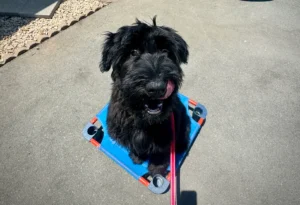
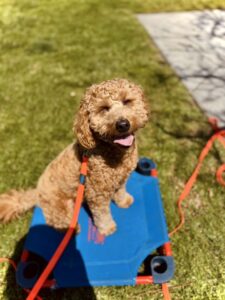
The place command teaches your dog to go to a defined spot, such as a cot, bed, or mat, and stay there until released. Think of it as an off switch for your house.
Everyday uses include:
- Keeping your dog calm during dinner
- Settling while kids do homework
- Staying put while the door is open for deliveries
- Remaining in place when guests arrive
Here is how to introduce place in simple steps:
- Lure your dog onto the bed with food
- Mark the moment they make contact with “yes” or a click
- Reward calm behavior for just 1 second initially
- Gradually add 5 second intervals until reaching 30 minutes
- Add distance, stepping back to 10 feet before releasing
Rewarding good behaviors, such as sitting or laying quietly, is essential in dog training, as it reinforces the desired actions and helps dogs understand what is expected of them. Practice place in multiple rooms and at different times of day so your dog does not think it only applies in one spot during the evening.
Place is a core skill in both puppy training and adult Board & Train programs because it creates a built-in calm state in the house.
Why Reliable Recall Matters For Safety And Freedom
Recall, coming when called, is the command that most directly affects safety. It can prevent dangerous situations around streets, trailheads, and off-leash areas. Recall is considered the single most important command to train because it can prevent dangerous situations and enhance the dog’s freedom.
A strong recall allows more freedom: hiking off leash where legal, playing in large fields, and enjoying the backyard without constant worry. To maintain a strong recall, it is essential to continuously associate positive experiences with the command, especially in environments where distractions are present.
Training recall should involve rewarding the dog for coming when called, and it is important to avoid using the recall command as a means of punishment to prevent negative associations. Never call your dog only to end all fun or to scold them, or they will begin to avoid coming.
Here is a simple training pattern:
- Start on a long line of 20 to 50 feet
- Say your dog’s name plus your cue word once
- Reward heavily with high-value treats or toys when they turn and move toward you
- Practice daily in the yard before trying busier locations
Some owners choose professional help when they want more reliable recall around serious distractions.
Common Recall Mistakes To Avoid
Avoid these common errors:
- Repeating the cue over and over, which teaches your dog to ignore the first call
- Chasing your dog while calling, which turns recall into a game of keep-away
- Only using recall when it is time to leave the park, creating negative associations
- Calling in an angry tone, which makes the cue predict something unpleasant
If your dog ignores the cue, calmly walk to them and clip the leash. Later, practice easier repetitions at a shorter distance. Use recall throughout the week for good things like coming for meals, toys, short play sessions, or going for a walk so the cue predicts something worth responding to.

Greeting Manners With Guests And In Public
Picture a dog that jumps, barks, or spins wildly when the doorbell rings or when they see people at outdoor shopping areas. This is stressful for everyone, including the pet.
Good greeting manners begin before the door opens. Use sit or place while the guest enters instead of letting your dog rush forward. Break greetings into steps:
- Let your dog see the person from their spot
- Reward calm behavior and eye contact with you
- Allow a brief, polite greeting only if the dog stays under control
Establish consistent rules like four paws on the floor and no greeting until calm. Your dog learns that excitement makes greetings go away while calm earns access. Setting your dog up for success involves preventing unwanted behaviors before they happen, such as having the dog in place before opening the door.
Remember that not everyone loves animals, and polite public behavior reflects well on you and the community.
Short Training Sessions, Long-Term Results
Most families in Murrieta and nearby cities have busy schedules. Short training sessions of 5 to 10 minutes several times a day can be more effective than longer, less frequent sessions. Aim for 2 to 4 mini-sessions per day, such as while coffee brews, before work, after school, and during the evening walk.
Dogs usually do better when training happens in short, focused sessions and when their physical and mental needs are being met. Exercise can help take the edge off, but calm behavior still has to be taught through structure, repetition, and follow-through. Keeping sessions short, clear, and productive helps both dog and owner stay engaged.
Dogs stay sharper with short, focused practice that ends on a successful repetition. Ending training sessions on a successful command fosters a positive experience and enhances motivation for future sessions. Mixing obedience with a little fun, like weaving in tricks such as spin or paw, can lead to faster skill acquisition and helps both dog and owner enjoy training.
Using high-value rewards, such as special treats or toys, can keep dogs engaged during training. Daily repetition matters more than how much progress you see in any single session. Training should be viewed as a lifelong process, where dogs continuously learn and are challenged, rather than a one-time event.
Building Simple Routines Around Meals, Doors, And Walks
Attach obedience to common events your dog already anticipates:
| Event | Routine |
| Meals | Dog sits before the food bowl is placed down |
| Doors | Wait at threshold until released |
| Walks | Sit calmly before leash is clipped on |
| Always use a wait at the front door and a release word before the dog steps outside. This simple routine can greatly reduce door-dashing. |
Predictable patterns help dogs feel calmer and make it easier for owners to notice when something is off, like sudden resistance or anxiety. Encourage all family members to agree on the same routines so the dog gets the same message from every person in the house.
Common Mistakes That Slow Training Progress
Here are errors that slow progress, along with quick fixes:
- Being inconsistent with rules: Mixed signals confuse dogs. Write down house rules and enforce them every time.
- Only training when the dog misbehaves: Positive reinforcement focuses on rewarding desired behaviors rather than punishing mistakes in dog training. Teach what you want, not just what you do not want.
- Relying on verbal corrections: Show your dog the right behavior and reward it instead of only saying “no.”
- Expecting too much in crowded environments: Training should start in a quiet, distraction-free area and gradually introduce distractions as the dog learns. Start in a quiet room and work up.
- Skipping follow-through: If you ask for a sit but let your dog walk away, you teach that commands are optional.
- Long sessions that cause fatigue: Keep training sessions short to maintain focus.
Positive feedback is more effective for learning than negative feedback, especially when given immediately after the desired behavior occurs. Everyone makes mistakes. The goal is to notice patterns and gradually improve how you communicate with your dog. Experienced trainers look for these same patterns and help owners correct them during lessons.
How Training Helps Both At Home And Outside
Well-practiced obedience carries over from the living room to the sidewalk, dog-friendly patios, and local trails. The basic commands you teach at home become the foundation for success everywhere.
Home examples:
- Dog going to place while kids work on homework
- Calmly waiting at the back door instead of pawing and barking
- Settling instead of pacing when owners are on work calls
Outside examples:
- Walking past other dogs without lunging
- Relaxing under the table at an outdoor café on California evenings
- Staying near you on hikes even around wildlife distractions
Socialization is not just about meeting other dogs; it is about making the dog comfortable in their environment and society. Dogs do not generalize well, so it is important to change the time and location of training to help them extrapolate learned behaviors to unfamiliar environments.
The same core skills, such as sit, heel, place, recall, and leave it, show up everywhere when practiced consistently. Training should be incremental, with dogs learning small steps towards complex behaviors. Emphasizing real-world practice helps dogs be prepared for busy sidewalks, parks, and everyday SoCal life, not just a quiet room.
When Professional Dog Training Can Make The Difference
Some issues, such as reactivity, aggression, intense pulling, or severe anxiety, are hard to address alone. Professional dog training services can help address significant behavior issues such as pulling, reactivity, and lack of obedience, making them beneficial for dog owners facing these challenges.
Options include:
| Service | Best For |
| 2-Week On-Leash Program | Basic on-leash obedience |
| 3-Week Off-Leash Program | Reliable off-leash obedience |
| 3-Week Reactive Dog Program | Reactivity and trigger control |
| 4-Week “Rap Sheet” Rehabilitation Program | Severe behavior rehabilitation |
| Board & Train programs typically last between 14 to 21 days and are designed to provide intensive training for dogs, allowing them to learn obedience in a structured environment. Follow-up lessons help owners maintain progress at home. | |
Remote and e-collar training is used to create reliable obedience around real-world distractions, especially for off-leash freedom when appropriate and safe. Working with a professional dog trainer is recommended even when there are no immediate issues, as it can help establish a solid foundation for training and improve the dog’s behavior over time.
If your dog needs better structure, clearer expectations, and more manageable behavior, professional training can help create better habits and lasting progress.
How To Choose The Right Trainer For Your Dog
When selecting a trainer, consider these factors:
- Check that they focus on real-world results, not just tricks in a quiet room, and can demonstrate off-leash reliability when safe and legal
- Ask about their approach to tools, including remote collars, and ensure they emphasize clarity, communication, and the dog’s mental state rather than punishment
- Look for trainers who offer clear programs, written expectations, and support after training, not quick guaranteed fixes
- Look for membership in organizations like the International Association of Canine Professionals
An initial free phone consultation is a good chance to discuss goals like off-leash obedience, leash manners, or fixing reactivity before committing to a program.
Frequently Asked Questions
How many minutes per day should I realistically train my dog?
Most families do well with a total of 15 to 30 minutes per day, broken into 3 to 5 mini-sessions scattered around meals, walks, and downtime. Quality and consistency matter more than a single long session. Even 3 minutes of focused practice before each walk can add up over weeks and lead to meaningful progress.
Can older dogs still learn these skills, or is training only for puppies?
Dogs of all ages, including seniors, can learn new routines and commands. Older dogs may progress a bit slower and benefit from shorter sessions, but they are absolutely capable of learning. Adult dog and rescue dog owners should focus on structure, predictable routines, and calm leadership, which often helps many dogs settle into their new homes. Adult dogs bring life experience and can form strong bonds through building trust during training.
Do I need special equipment to start improving behavior at home?
Owners can begin with simple tools they likely already have: a standard leash, a flat collar, a bed or mat for place, and small treats or kibble. You do not need to pick things up from a specialty store to start teaching basic commands. More advanced tools, such as a remote collar, should be introduced with the guidance of a professional trainer to ensure the dog understands the pressure clearly and fairly.
How long does it usually take to see noticeable changes?
Many owners notice small improvements in focus and manners fairly early when they stay consistent. More challenging behaviors like reactivity or long-standing bad habits usually take longer and depend on the dog, the issue, and the level of follow-through at home.
What if my dog listens at home but ignores me in public?
This is a common problem. It means your dog has learned commands in a low-distraction setting but has not yet generalized them to harder, different environments. Gradually increase distractions, starting with the backyard, then quiet streets, then busier areas. Tools like long lines or remote collars, when introduced with professional guidance, can help bridge the gap between home success and real-world reliability.
If your dog struggles to listen around distractions, we can help you build clearer communication, better focus, and more reliable obedience in real-world settings. Schedule a free phone consultation with Off Leash K9 Training of Murrieta to discuss the best training option for your dog.